
End of life
Coping with Pet Loss: Grief, Children and Other Pets
Grief after losing a pet is real and normal. Practical ways to cope, talk to children, support surviving pets and find help.
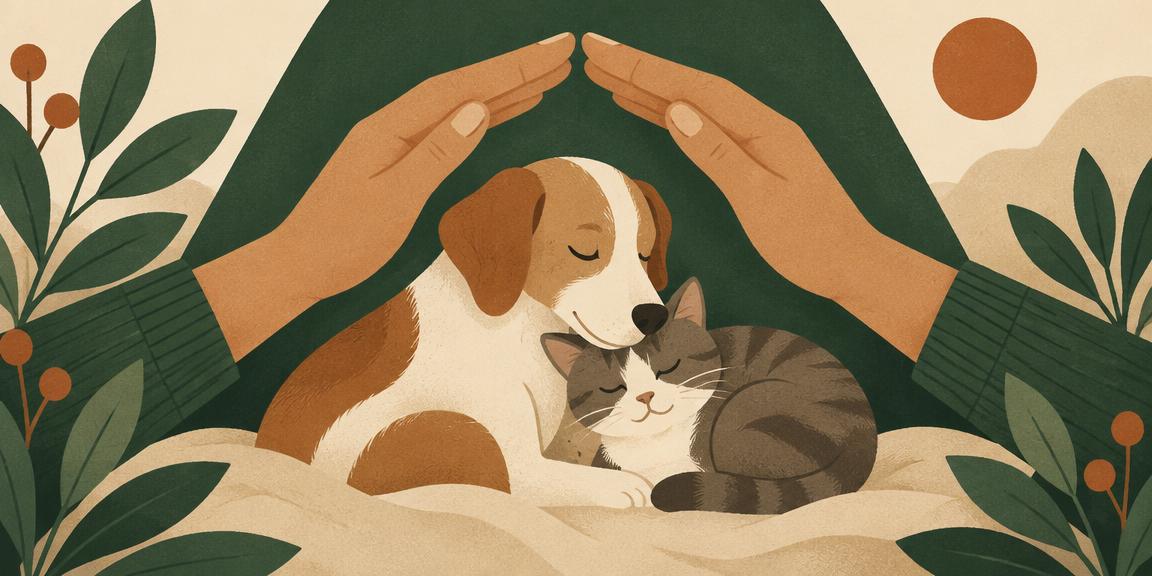
Your grief is valid
For many people a pet is a daily companion and family member, and losing one can hurt as much as other bereavements. Guilt is common, especially after euthanasia, even when the decision was made kindly to prevent suffering.
Ways people find helpful
- Talking with people who knew your pet
- Keeping a memento such as a paw print, collar or photo book
- Keeping routines like walks, if they help
- Using a pet bereavement support line
- Giving yourself time before deciding about another pet
Talking to children
Use clear, honest words such as "died" rather than "went to sleep", which can make young children fear sleep. Let them ask questions, say goodbye and take part in a small remembrance.
Surviving pets
Other animals may search, change appetite or seek more attention. Keeping routines steady helps. If changes last more than a couple of weeks, or your pet stops eating, speak to your vet.
When to seek more support
If grief stops you functioning day to day for a long time, talk to your doctor. In the UK, the Blue Cross Pet Bereavement Support Service offers free, confidential support.
Frequently asked questions
- Should surviving pets see the body?
- Some owners find it helps companion animals, and there is little harm in allowing it, though evidence that it changes their behaviour is limited.
References
- Pet Bereavement Support Service — Blue Cross
- Coping with the loss of a pet — PDSA