
Household object
Zinc Objects (coins, galvanised metal, cage parts)
Emergency. Zinc dissolves in stomach acid and destroys red blood cells.
SevereDogsBirdsFerrets
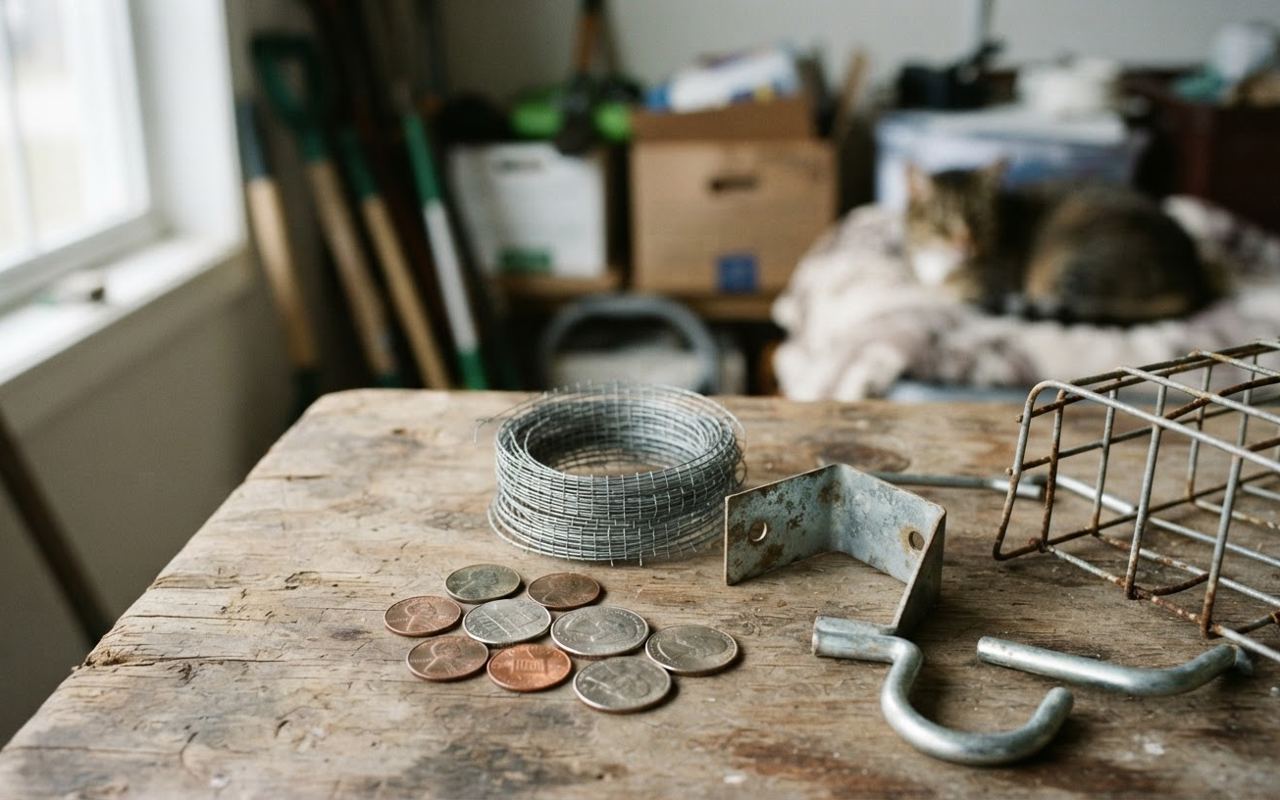
AI-generated editorial illustration of the subject; not a photograph of a specific animal, product or case.
What to do right now
- 1.Go to a vet immediately for imaging
- 2.Bring an example of the object if possible
- 3.Do not wait for symptoms to worsen
Symptoms
- Vomiting
- Pale or yellow gums
- Red-brown urine
- Weakness
- Loss of appetite
Details
- Category
- Household object
- Toxicity
- Severe
- Species affected
- Dogs, Birds, Ferrets
- Routes of exposure
- Swallowing coins or chewing galvanised cage wire and toy clips
- Urgency
- Emergency. Zinc dissolves in stomach acid and destroys red blood cells.
Veterinary notes and prevention
Treatment centres on removing the metal object and supporting the animal through haemolysis. Use stainless steel or powder-coated cage hardware for birds.
Prepare the information your vet needs
- For Zinc Objects (coins, galvanised metal, cage parts), report the exposure route: Swallowing coins or chewing galvanised cage wire and toy clips. Tell the clinic the time, possible amount and your pet's species and approximate weight.
- Photograph the packaging, ingredient list or plant if safe. Do not handle contaminated material without protection or delay the call to identify it perfectly.
- Keep other animals away from the source. An animal may appear normal before signs develop; do not wait for symptoms or calculate a home 'safe dose'.
- Follow the clinic's transport instructions. Do not give food, medicines or home remedies unless instructed, and take packaging with you if available.
Educational reference, not an individual diagnosis or a verified professional review. Read our editorial policy.
Guidance libraries and further reading
These organisations publish relevant guidance. Their links are further reading, not evidence that they have reviewed this page.