
Chemical
Garden Herbicides (glyphosate and related weedkillers)
Contact a vet if a large amount was licked or the animal seems unwell; most incidental exposure is milder but still worth a call.
ModerateDogsCatsSmall mammals
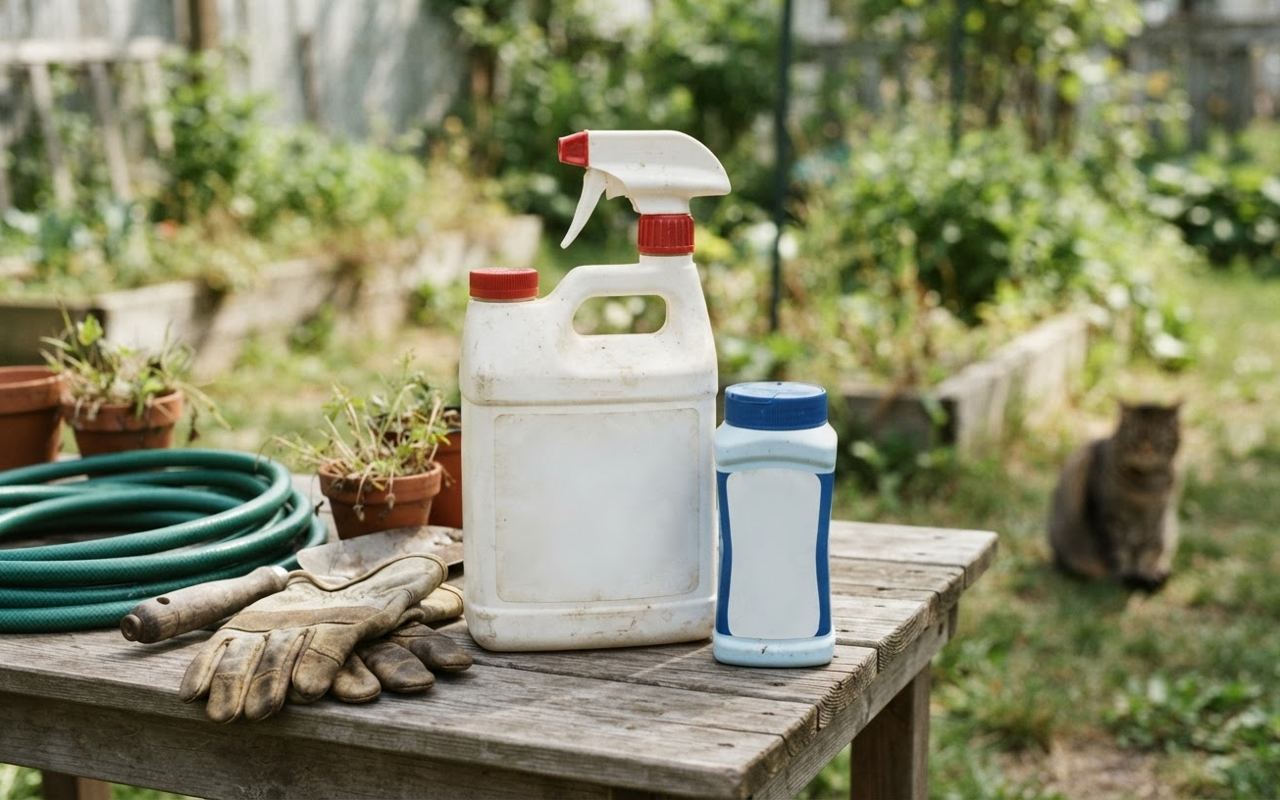
AI-generated editorial illustration of the subject; not a photograph of a specific animal, product or case.
What to do right now
- 1.Wash paws and coat with mild soap and water to remove residue
- 2.Keep pets off treated areas until the product has fully dried, following the label instructions
- 3.Phone your vet if drooling, vomiting or skin irritation appears
Symptoms
- Drooling
- Vomiting and diarrhoea
- Skin or paw irritation
- Lethargy
Details
- Category
- Chemical
- Toxicity
- Moderate
- Species affected
- Dogs, Cats, Small mammals
- Routes of exposure
- Walking on freshly treated grass and then licking paws, or drinking from a treated puddle
- Urgency
- Contact a vet if a large amount was licked or the animal seems unwell; most incidental exposure is milder but still worth a call.
Veterinary notes and prevention
Most concentrated herbicides are gastrointestinal and mucous membrane irritants rather than causing organ failure at typical exposure levels, but concentrate product ingested directly is more serious and needs assessment.
Prepare the information your vet needs
- For Garden Herbicides (glyphosate and related weedkillers), report the exposure route: Walking on freshly treated grass and then licking paws, or drinking from a treated puddle. Tell the clinic the time, possible amount and your pet's species and approximate weight.
- Photograph the packaging, ingredient list or plant if safe. Do not handle contaminated material without protection or delay the call to identify it perfectly.
- Keep other animals away from the source. An animal may appear normal before signs develop; do not wait for symptoms or calculate a home 'safe dose'.
- Follow the clinic's transport instructions. Do not give food, medicines or home remedies unless instructed, and take packaging with you if available.
Educational reference, not an individual diagnosis or a verified professional review. Read our editorial policy.
Guidance libraries and further reading
These organisations publish relevant guidance. Their links are further reading, not evidence that they have reviewed this page.