
Plant
English ivy
Contact a veterinarian promptly after suspected English ivy ingestion; do not wait for a large quantity or persistent signs. Breathing difficulty, collapse or severe illness needs emergency care.
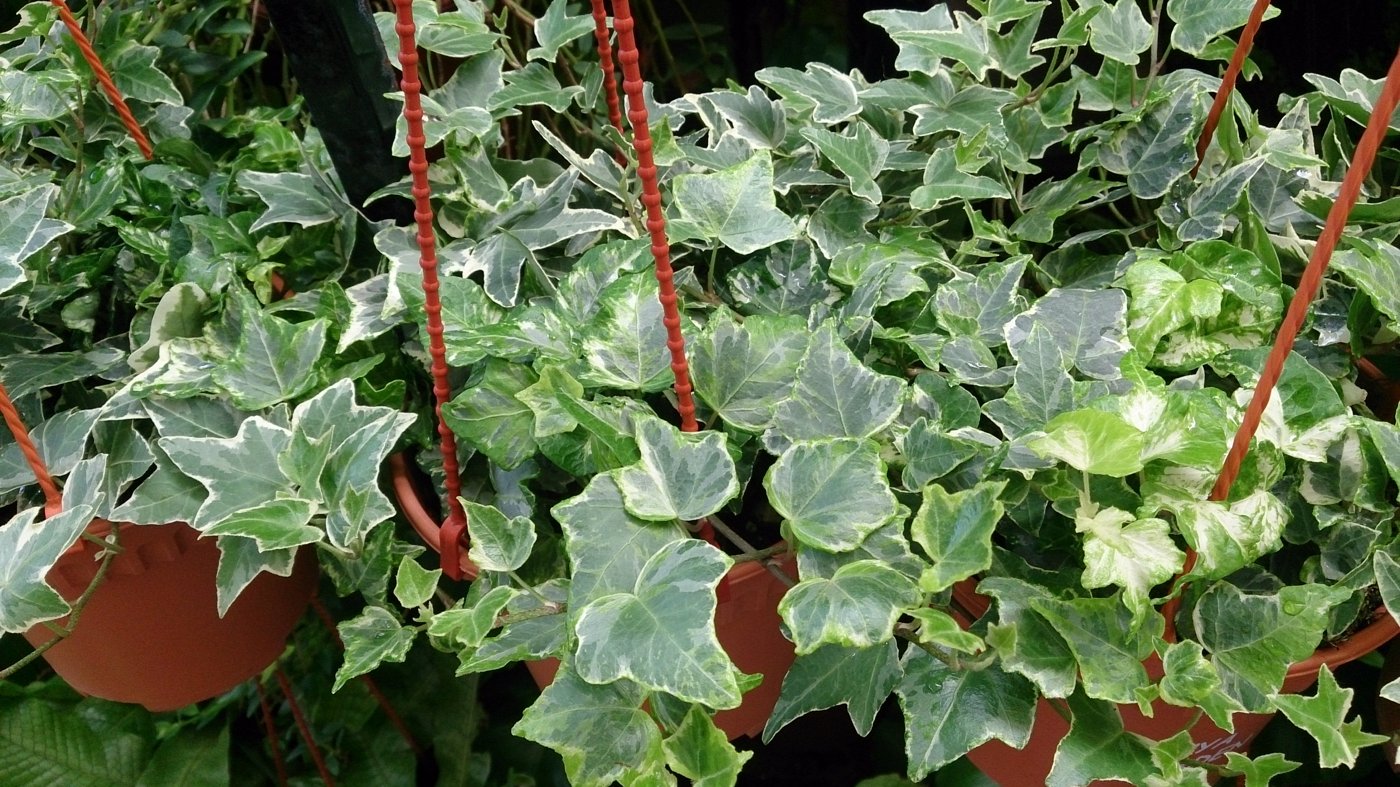
Photo: Mokkie, Wikimedia Commons · CC BY-SA 3.0
What to do right now
- 1.Prevent further access and keep the animal away from fallen leaves or cuttings.
- 2.Call a veterinarian with the species, time, possible quantity and signs; keep a plant photo if safe.
- 3.Do not force the mouth open, rinse water into it or induce vomiting unless specifically instructed by the veterinarian.
Symptoms
- Drooling
- Vomiting and diarrhoea
- Mouth irritation
- Skin rash after contact
Details
- Category
- Plant
- Toxicity
- Mild
- Species affected
- Dogs, Cats, Rabbits
- Routes of exposure
- Chewing leaves or berries.
- Urgency
- Contact a veterinarian promptly after suspected English ivy ingestion; do not wait for a large quantity or persistent signs. Breathing difficulty, collapse or severe illness needs emergency care.
Veterinary notes and prevention
English ivy can cause mouth and digestive irritation. A veterinarian assesses the actual exposure and the animal's condition; a mild reference category does not guarantee that ingestion is harmless. No home remedies or forced food or water.
Photograph: Mokkie, Wikimedia Commons. Original photograph and attribution · CC BY-SA 3.0. Resized and compressed; framing may be cropped for display. This shows one ivy cultivar; a photograph alone cannot identify every plant or assess an exposure.
Ivy exposure: reduce contact and call
| Situation | Action |
|---|---|
| Chewing stopped | Prevent further access and identify the plant if safe. |
| Mouth or stomach irritation | Contact a veterinarian with exposure details. |
| Breathing difficulty or collapse | Seek emergency veterinary care. |
| Home treatment | Do not induce vomiting or use remedies without direction. |
Plant toxicity varies; do not wait for severe signs after a meaningful or uncertain ingestion.
Keep the plant and all parts out of reach
English ivy (Hedera helix) can irritate the mouth and digestive tract when chewed. Exposure may cause drooling, vomiting or diarrhoea, and contact with plant sap can irritate skin. Risk depends on the animal, amount and form; a mild label is not a guarantee that a particular ingestion is harmless.
Move the animal away from the plant and prevent further access. If plant material remains in the mouth and can be removed safely without force, do so; do not risk a bite or push material deeper. Keep a photo or sample for identification when safe and call a veterinarian for exposure advice.
Monitor safely and seek advice when needed
Do not induce vomiting or give home remedies unless a veterinarian specifically instructs you. Report the animal’s species, approximate amount, time and any signs. Repeated vomiting, marked weakness, breathing difficulty, collapse or worsening condition needs urgent veterinary attention.
Reduce repeat exposure by removing the plant from accessible areas, including hanging growth and fallen leaves. Children and other household members should also be discouraged from handling irritating sap. Plant identification can be difficult, so do not rely on a common name alone when the animal has chewed an uncertain plant.
Prevent repeat exposure and preserve identification
English ivy can trail down from a hanging planter, grow through a fence or shed leaves into a pet’s resting area. Moving a pot higher is not sufficient if vines remain reachable by a climbing cat or if pruned material is left in an open bin. Check the full route of growth and collect cuttings safely. Wear suitable protection when handling irritating sap, and keep pets away during pruning. A photograph of a cultivar shows only one appearance; leaf colour and shape vary, so unfamiliar plants still need reliable identification.
When calling, distinguish chewing a leaf from swallowing berries, contact with sap or exposure to a different plant sold under an ivy name. Report the species, approximate weight, time, possible quantity and observed signs. Do not delay for symptoms to become dramatic, and do not use milk, oils or induced vomiting as home remedies. The clinic may request the plant label or a photograph. Keep any sample sealed away from animals and children. A toxicity category is a reference label, not a prognosis for the individual exposure.
Sources for this reference
AI-assisted educational guidance, updated 19 October 2026. Not professionally reviewed; sources do not imply endorsement of this page.
Prepare the information your vet needs
- For English ivy, report the exposure route: Chewing leaves or berries. Tell the clinic the time, possible amount and your pet's species and approximate weight.
- Photograph the packaging, ingredient list or plant if safe. Do not handle contaminated material without protection or delay the call to identify it perfectly.
- Keep other animals away from the source. An animal may appear normal before signs develop; do not wait for symptoms or calculate a home 'safe dose'.
- Follow the clinic's transport instructions. Do not give food, medicines or home remedies unless instructed, and take packaging with you if available.
Educational reference, not an individual diagnosis or a verified professional review. Read our editorial policy.
Sources on this topic
Pages on this specific subject from recognised organisations. They are cited for further reading and do not mean the organisation has reviewed this page.
- English Ivy: toxicity to pets — Pet Poison Helpline
- Toxic and Non-toxic Plants: English Ivy — ASPCA Animal Poison Control Center
Guidance libraries and further reading
These organisations publish relevant guidance. Their links are further reading, not evidence that they have reviewed this page.