
Plant
Amaryllis
Contact a vet if a bulb was chewed or symptoms appear.
ModerateDogsCats
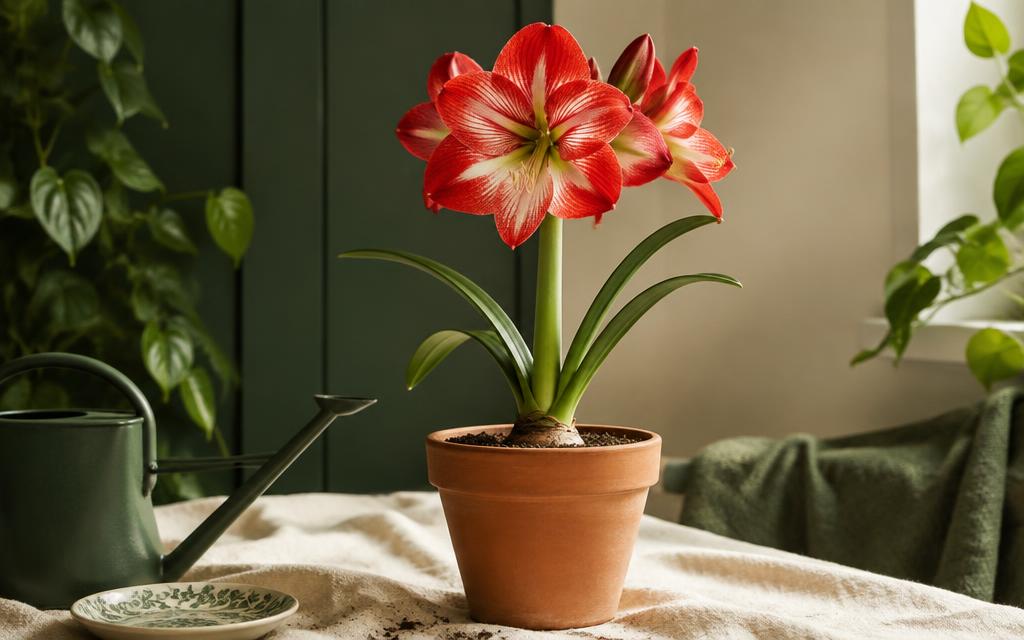
Illustrative cover using relevant category imagery; it does not depict the exact subject.
What to do right now
- 1.Remove plant material from the mouth
- 2.Note which part was eaten
- 3.Call your vet or a poison line
Symptoms
- Drooling
- Vomiting and diarrhoea
- Lethargy
- Tremors in severe cases
Details
- Category
- Plant
- Toxicity
- Moderate
- Species affected
- Dogs, Cats
- Routes of exposure
- Chewing leaves or flowers; the bulb is the most toxic part.
- Urgency
- Contact a vet if a bulb was chewed or symptoms appear.
Veterinary notes and prevention
A popular winter-flowering bulb, often given as a gift — warn visiting pet owners and keep displays out of reach.
Prepare the information your vet needs
- For Amaryllis, report the exposure route: Chewing leaves or flowers; the bulb is the most toxic part. Tell the clinic the time, possible amount and your pet's species and approximate weight.
- Photograph the packaging, ingredient list or plant if safe. Do not handle contaminated material without protection or delay the call to identify it perfectly.
- Keep other animals away from the source. An animal may appear normal before signs develop; do not wait for symptoms or calculate a home 'safe dose'.
- Follow the clinic's transport instructions. Do not give food, medicines or home remedies unless instructed, and take packaging with you if available.
Educational reference, not an individual diagnosis or a verified professional review. Read our editorial policy.
Sources on this topic
Pages on this specific subject from recognised organisations. They are cited for further reading and do not mean the organisation has reviewed this page.
- Amaryllis: toxicity to pets — Pet Poison Helpline
- Toxic and Non-toxic Plants: Amaryllis — ASPCA Animal Poison Control Center
Guidance libraries and further reading
These organisations publish relevant guidance. Their links are further reading, not evidence that they have reviewed this page.