
Plant
Acorns and oak leaves
Call a veterinarian promptly after suspected acorn or oak ingestion. Breathing difficulty, collapse, severe pain or repeated vomiting needs emergency help; do not wait for a particular number of acorns.
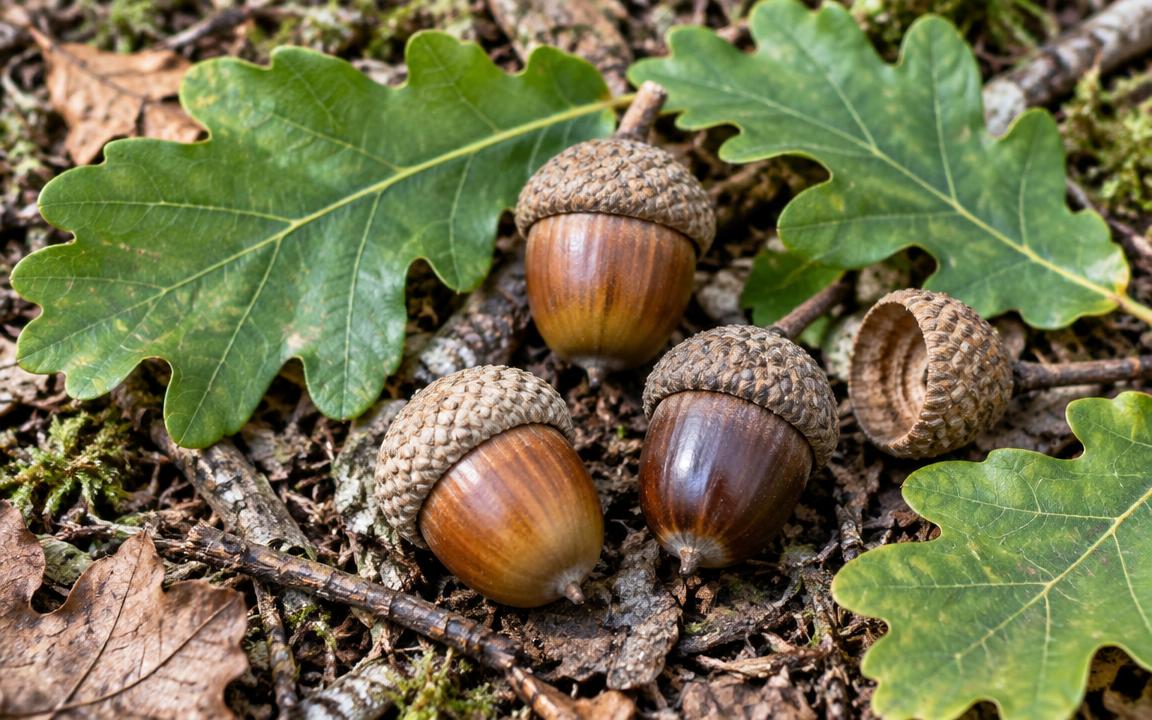
AI-generated editorial illustration; not a clinical demonstration or documentary photograph.
What to do right now
- 1.Prevent further access without chasing, cornering or reaching into a resisting animal's mouth.
- 2.Call your veterinarian with the species, possible amount and time of exposure.
- 3.Photograph the plant or acorns if safe, but do not delay the call for identification.
- 4.Do not induce vomiting, give home remedies or try to force food or water.
Symptoms
- Vomiting and diarrhoea
- Abdominal pain
- In large amounts: kidney damage
Details
- Category
- Plant
- Toxicity
- Moderate
- Species affected
- Dogs, Horses
- Routes of exposure
- Eating acorns or green oak leaves, which contain tannins.
- Urgency
- Call a veterinarian promptly after suspected acorn or oak ingestion. Breathing difficulty, collapse, severe pain or repeated vomiting needs emergency help; do not wait for a particular number of acorns.
Veterinary notes and prevention
Oak tannins can cause gastrointestinal illness and, with substantial exposure, organ injury. Swallowed acorns also present a physical obstruction risk. Veterinary assessment considers the species, exposure and clinical signs; treatment and monitoring must be individual, not based on a home safe-count rule.
Oak exposure: information first, not a safe-count rule
| Check | Action |
|---|---|
| Further access | Move away safely and prevent more ingestion. |
| Exposure details | Report species, time, material and possible quantity. |
| Object in the mouth | Do not force removal from a resisting animal. |
| Severe signs | Emergency veterinary contact for breathing trouble, collapse or severe pain. |
| Home treatment | No induced vomiting or remedies unless specifically instructed. |
Dogs and horses require different assessments. Do not wait for a particular number of acorns or for all symptoms to appear.
Two different hazards: plant compounds and obstruction
Oak material contains tannins that can cause digestive illness and, with substantial exposure, more serious injury. The assessment is not the same for a dog swallowing fallen acorns and a horse grazing accessibly placed oak leaves or acorns. Plant species, quantity, repeated exposure and the animal's condition matter. A moderate category label is a broad reference, not permission to monitor a specific exposure without calling.
Acorns also act as physical objects. A swallowed acorn can become a choking or intestinal blockage hazard, separate from its chemical effects. Do not use the absence of vomiting or the number you saw eaten as proof of safety. Some signs develop later, and the actual quantity may be unknown. A veterinarian can decide what information and examination are needed.
Respond safely without forcing removal
Move the animal away from the area calmly and stop further access. Do not chase a dog holding an acorn or reach into a resisting mouth: this can provoke a bite or make it swallow. Call the clinic with the species, approximate weight, timing, material and possible amount. Keep a photograph or safely collected sample available if requested, but do not delay the call for perfect botanical identification.
Do not induce vomiting, give oil, force food or water, or copy another animal's treatment. Dogs with repeated vomiting, marked abdominal pain, collapse or breathing trouble need emergency help. For horses, contact the veterinarian about possible oak exposure and colic or other illness; do not assume dog treatment advice transfers. Prevention includes avoiding heavy acorn-fall areas, clearing accessible garden material and reviewing pasture access with appropriate equine advice. A trained leave-it cue supports management but cannot replace secure prevention.
Reducing exposure on walks and in gardens
Acorns fall in autumn and after storms. Rake them up where pets play, supervise dogs that scavenge and practise a reliable leave cue with high-value rewards. Besides the tannin-related toxicity concern, whole acorns and caps can cause choking or an intestinal blockage. Contact a veterinarian or pet poison helpline after a large or repeated ingestion, or if vomiting, abdominal pain, diarrhoea or lethargy develops.
Sources for this reference
AI-assisted educational guidance, updated 15 October 2026. Not professionally reviewed; sources do not imply endorsement of this page.
Prepare the information your vet needs
- For Acorns and oak leaves, report the exposure route: Eating acorns or green oak leaves, which contain tannins. Tell the clinic the time, possible amount and your pet's species and approximate weight.
- Photograph the packaging, ingredient list or plant if safe. Do not handle contaminated material without protection or delay the call to identify it perfectly.
- Keep other animals away from the source. An animal may appear normal before signs develop; do not wait for symptoms or calculate a home 'safe dose'.
- Follow the clinic's transport instructions. Do not give food, medicines or home remedies unless instructed, and take packaging with you if available.
Educational reference, not an individual diagnosis or a verified professional review. Read our editorial policy.
Sources on this topic
Pages on this specific subject from recognised organisations. They are cited for further reading and do not mean the organisation has reviewed this page.
- Toxic and Non-toxic Plants: Oak — ASPCA Animal Poison Control Center
Guidance libraries and further reading
These organisations publish relevant guidance. Their links are further reading, not evidence that they have reviewed this page.