
Plant-based diets
Vegan Nutrition: B12, Iodine, Iron, Calcium and Omega-3
A nutrient-by-nutrient planning guide for a balanced vegan diet, with reliable foods, fortification and supplement cautions.
Vitamin B12 is non-negotiable
There is no reliable unfortified plant source of vitamin B12. Use a dependable fortified food or supplement and follow country-specific dose guidance. Deficiency can damage nerves and blood cells before symptoms are obvious.
Iodine needs a plan
Dairy and fish are major iodine sources in the UK, so vegans are at higher risk of low intake. Check fortified products or use an appropriately dosed supplement; kelp can provide dangerously variable amounts.
Protein, iron and zinc
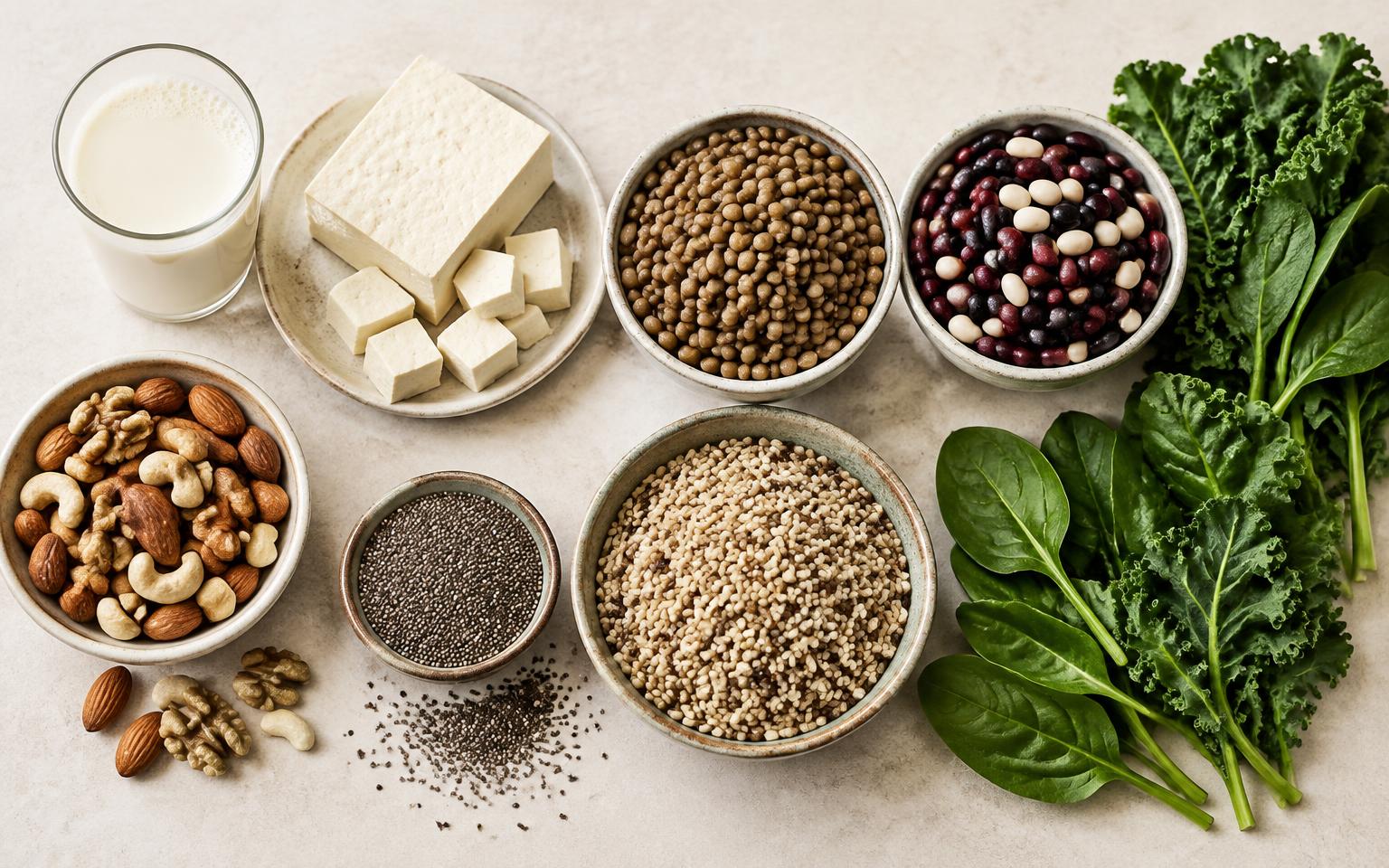
Beans, lentils, chickpeas, tofu, tempeh, textured vegetable protein, nuts and seeds supply protein. Eat varied sources across the day. Pair iron-rich plant foods with vitamin C; tea and coffee with meals can reduce iron absorption.
Calcium, vitamin D and omega-3
Choose plant alternatives fortified with calcium and vitamin D, plus calcium-set tofu and suitable greens. Ground flax, chia, walnuts and rapeseed oil supply ALA omega-3; an algae-derived DHA/EPA supplement may suit some people.
Do not supplement blindly
More is not always safer. Iodine, selenium, iron and vitamin A can cause harm in excess. A registered dietitian or clinician can interpret symptoms, medicines and blood tests.
Frequently asked questions
- Can spirulina replace a B12 supplement?
- No. It is not considered a reliable source of active vitamin B12.
- Is seaweed a safe iodine source?
- Not reliably. Its iodine content varies enormously, so fortified foods or a controlled supplement are easier to dose safely.
References
- The vegan diet — NHS
- Vegetarian and vegan diets — NHS Inform
- Vitamin B12 in vegan diets — European Journal of Nutrition (2022)