
Veterinary care
Choosing a Vet for Reptiles and Other Exotic Pets
Find a practice with genuine exotic-species experience, ask the right questions and prepare for a reptile's first visit.
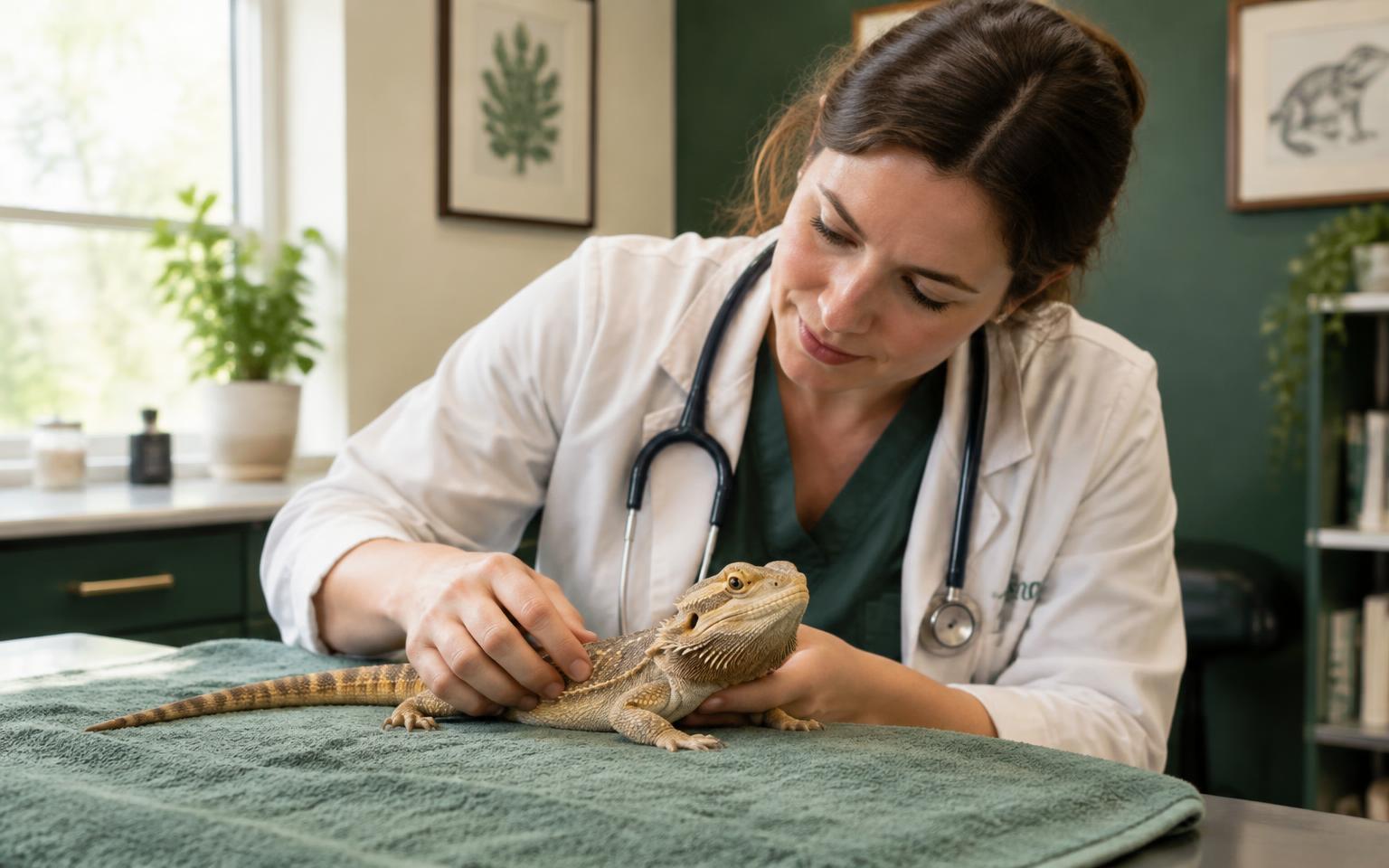
AI-generated editorial image; illustrative, not a clinical demonstration or documentary photograph.
Not every vet treats every species
General veterinary training covers dogs and cats in depth, but reptiles, birds, small mammals and fish have very different anatomy, husbandry needs and disease patterns. A vet who rarely sees these species may still be a careful clinician, but inexperience with, for example, a bearded dragon's calcium metabolism or a parrot's respiratory anatomy can affect diagnosis and treatment.
Look specifically for a practice that lists exotic or 'unusual pet' species among its routine caseload, not only as an occasional exception. Some countries have formal certifications or specialist colleges for exotic animal medicine; ask whether any vet at the practice holds one or has relevant postgraduate training.
Questions to ask before you need an emergency
Call ahead of any health problem, while the animal is well, to ask whether the practice regularly treats your species and roughly how many cases they see in a typical year. Ask what happens out of hours: some general practices refer exotic emergencies elsewhere, which matters when minutes count.
Ask whether the practice can perform or arrange species-appropriate diagnostics, such as avian radiography positioning, reptile blood sampling from suitable sites or aquatic medicine support. A honest answer of 'we would refer that' is useful information, not a reason to be put off asking.
- Does the practice see this species regularly?
- Is there emergency or after-hours cover?
- Can they advise on husbandry, not just illness?
- Do they weigh small patients accurately?
- Is a referral centre nearby if needed?
Husbandry knowledge matters as much as medicine
Many reptile, bird and small-mammal health problems trace back to husbandry: incorrect temperature gradients, poor ultraviolet provision, inappropriate diet or unsuitable enclosure size. A vet experienced with the species should ask detailed husbandry questions as part of any consultation, not only about presenting signs.
Bring clear information about your current setup, including photographs, temperature and humidity readings, lighting type and age, and a typical diet log. This helps the vet separate a husbandry-related problem from one needing direct medical treatment, and avoids guesswork.
Prepare the animal and the carrier for travel
Transport reptiles and amphibians in a secure, insulated, appropriately warm or cool container suited to the species; sudden temperature swings during travel can worsen illness. Birds need a covered, ventilated, stable carrier and a calm environment, since stress itself can affect fragile patients.
Small mammals and fish each have their own transport needs: avoid prolonged jostling, keep fish transport water parameters as stable as practical, and never leave any animal in a hot car. Ask the practice in advance about their preferred transport method for your species.
Build the relationship before a crisis
Consider an introductory wellness visit when you first acquire the animal, rather than waiting for the first illness. This lets the vet establish a baseline weight and health record, and lets you judge their comfort level with the species calmly.
If the available local practice has limited exotic experience, ask whether they can consult with or refer to a specialist centre when needed. Maintaining a written health and husbandry record for your pet makes any future consultation, local or referred, more efficient and more likely to reach the right answer quickly.
Frequently asked questions
- Can my regular small-animal vet treat my reptile?
- Some can, but experience varies widely. Ask directly how often the practice sees your species before an emergency arises.
- Should I ask about certifications?
- Yes. Postgraduate qualifications or memberships in exotic or zoological medicine indicate additional focused training, though many excellent exotics vets gain expertise through caseload experience as well.
- What should I bring to a first exotic-pet consultation?
- Bring husbandry details including temperatures, lighting, diet and enclosure size, plus any weight or behaviour history you have recorded.
- Is it normal to be referred elsewhere for exotic emergencies?
- Yes, this is common where local exotic-animal expertise or equipment is limited. Ask your regular practice in advance so you know the plan before an emergency happens.
References
- Finding a veterinarian for exotic and companion animals — American Veterinary Medical Association
- Reptile and amphibian husbandry and veterinary care — Association of Reptilian and Amphibian Veterinarians