
Vegetable
Cucumber
A hydrating, very low-calorie vegetable that many dogs and small pets enjoy as a crunchy treat.
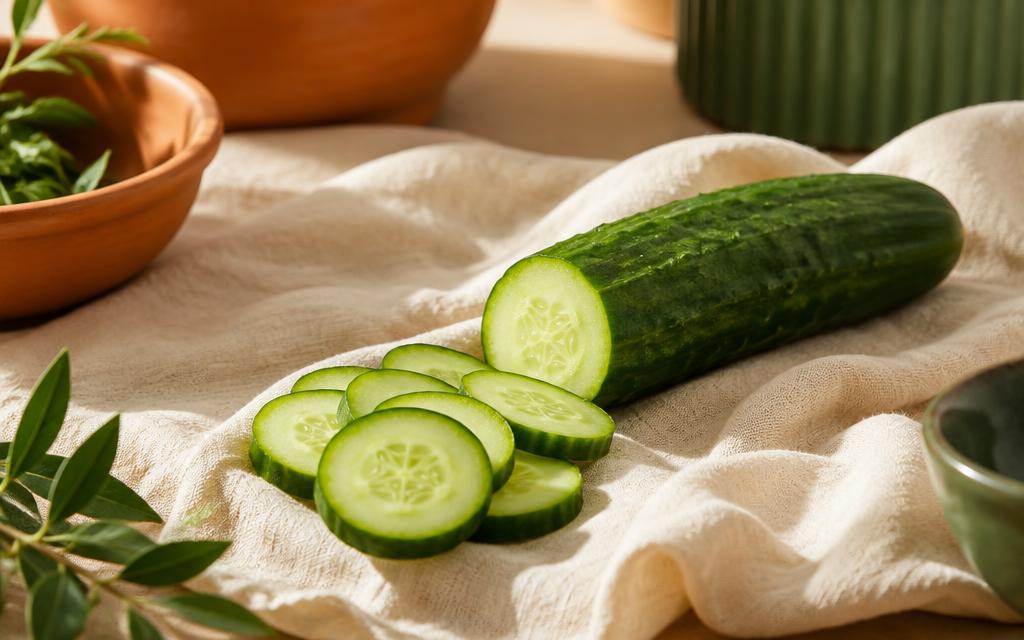
Illustrative cover using relevant category imagery; it does not depict the exact subject.
Who can eat it
DogsRabbitsGuinea pigsHamsters
Not suitable for
Cats (safe but usually disinterested)
Benefits
- Very low calorie — useful for weight management
- High water content supports hydration
- Crunchy texture many animals enjoy
Risks
- Large pieces are a choking hazard for small animals
- Too much can cause loose stools
Preparation and serving
- Preparation
- Wash, slice into species-appropriate pieces. Peel is safe for dogs; offer smaller amounts to small pets.
- Serving guidance
- A few slices for a medium dog; a thumbnail piece for small pets, a few times a week.
Before offering cucumber
- Check the exact animal and preparation: the listed suitability is Dogs; Rabbits; Guinea pigs; Hamsters. A food being edible does not make it a complete diet.
- Follow the preparation advice: Wash, slice into species-appropriate pieces. Peel is safe for dogs; offer smaller amounts to small pets. Do not substitute a seasoned or processed version and assume the same safety.
- Portion guidance: A few slices for a medium dog; a thumbnail piece for small pets, a few times a week. For a pet on a prescribed diet, discuss extras with the vet first.
- If your pet develops vomiting, diarrhoea or discomfort, stop offering the extra and seek advice. Suspected poisoning or breathing difficulty needs immediate veterinary help.
Educational reference, not an individual diagnosis or a verified professional review. Read our editorial policy.
Sources on this topic
Pages on this specific subject from recognised organisations. They are cited for further reading and do not mean the organisation has reviewed this page.
- Can Dogs Eat Cucumbers? — American Kennel Club
Guidance libraries and further reading
These organisations publish relevant guidance. Their links are further reading, not evidence that they have reviewed this page.