Home and garden safety
Pet-Safe Gardening: Plants, Mulch and Chemical Hazards
Plan a garden that reduces poisoning and injury risk for dogs, cats and small animals without giving up planting choices entirely.
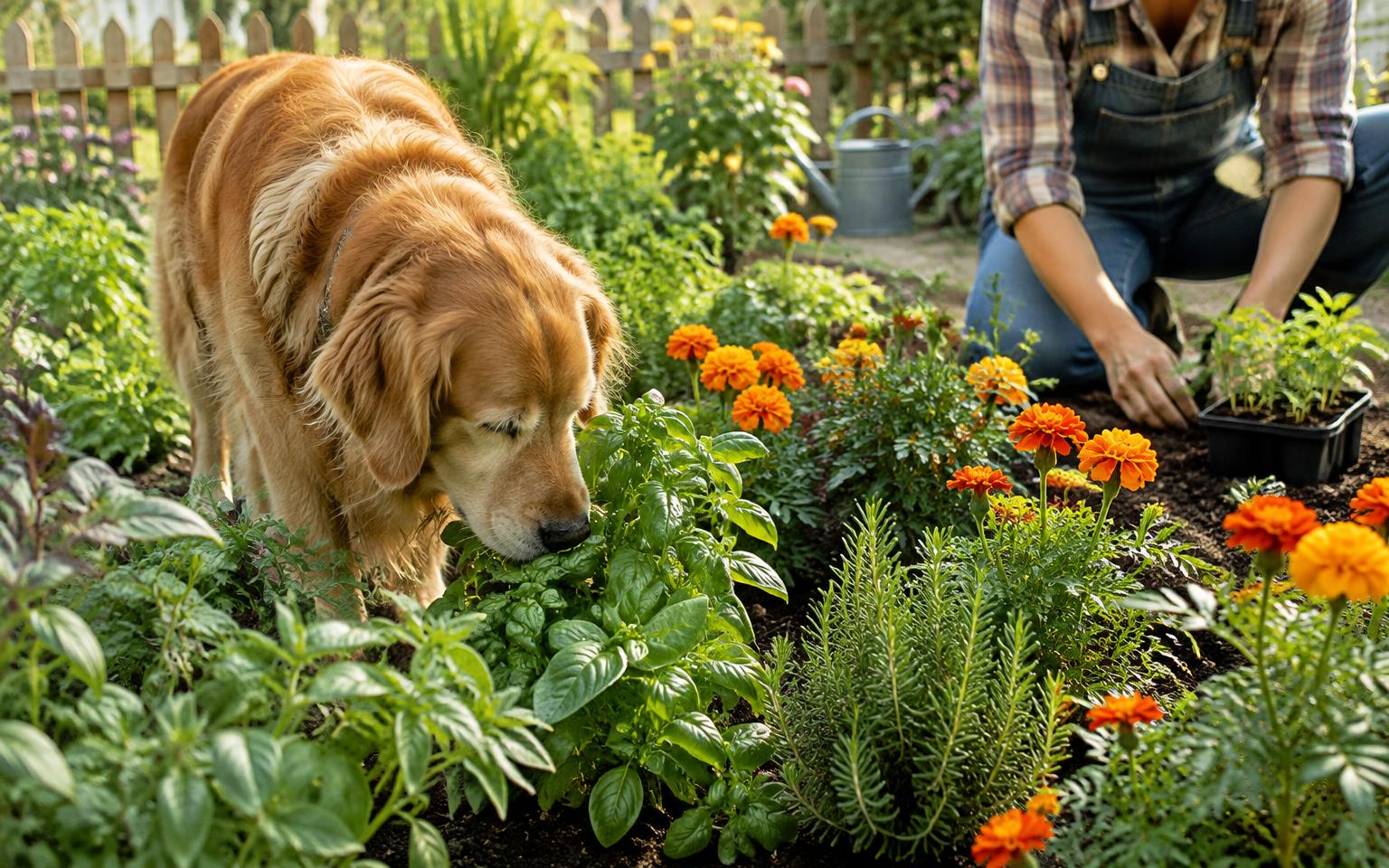
AI-generated editorial image; illustrative, not a clinical demonstration or documentary photograph.
Research before you plant
Many common garden and houseplants are toxic to pets in various degrees, including lilies, which are severely dangerous to cats, as well as sago palm, azalea, oleander and autumn crocus for dogs and cats. Toxicity varies by species: a plant safe around dogs is not automatically safe around rabbits, and vice versa.
Check a reputable toxic-plant list before adding anything new to a garden an animal can access, and do the same before accepting plant cuttings or bouquets from friends. Label plants in a shared garden so visitors and family members know which areas need extra supervision.
Choose safer mulches and ground cover
Cocoa mulch contains compounds related to those in chocolate and can be harmful if a dog ingests enough of it; choose an alternative such as shredded bark, pine straw or untreated wood chips where dogs have access. Decorative gravel and certain mulches can also pose a choking or impaction risk for dogs that chew or ingest material.
Avoid dyed or chemically treated mulches of unknown composition. If you are unsure what a product contains, contact the manufacturer or choose a plain, untreated alternative instead of guessing.
- Avoid cocoa mulch where dogs roam
- Check dyed mulch ingredients
- Keep bark chips away from chewers
- Fence off compost and vegetable beds if needed
Manage fertilisers, pesticides and compost carefully
Follow product label instructions exactly for application rates and the stated re-entry time before pets are allowed back onto treated lawns or beds. Store all garden chemicals in a secure area inaccessible to animals, in their original labelled containers.
Keep compost heaps fenced or covered: decomposing food scraps can develop moulds that produce dangerous toxins if eaten, and compost can also attract pests that bring other risks. Slug and snail bait containing metaldehyde is highly toxic to dogs and should be avoided or replaced with pet-safer alternatives where regulations allow.
Consider physical hazards, not only poisoning
Thorny plants, bamboo stakes, netting and garden wire can cause puncture wounds or entanglement injuries. Check fence lines and gates for gaps a small dog, cat or escaping rabbit could use, and inspect garden structures periodically for sharp edges or loose fixings.
Standing water in ornamental ponds or water features can be an unexpected drowning risk for very young, elderly or less mobile animals, and stagnant water can also harbour parasites. Provide a ramp or easy exit point if pets can access a pond.
Create a dedicated safe area where possible
If you want to keep riskier ornamental plants, consider fencing off a section of the garden reserved for people and excluding pets from it, rather than removing every plant of interest. A separate grazing or exercise area with verified pet-safe planting gives animals, especially rabbits and guinea pigs that graze directly, confident freedom to explore.
Supervise new or young animals in any garden until you are confident about their chewing and digging habits, and review the plant list again whenever you add a new species of pet to the household, since safety varies between species.
Frequently asked questions
- Are lilies really that dangerous?
- Yes, for cats. True lilies and day lilies can cause severe, potentially fatal kidney failure in cats even from small amounts of pollen or leaf. Keep them out of any home or garden with cats.
- Is cocoa mulch safe once it has weathered?
- Treat all cocoa mulch as a risk around dogs regardless of age, since ingestion risk depends on the dog's behaviour, not only the mulch's freshness.
- Can rabbits graze safely on garden lawn?
- Only if you have checked the area for toxic plants and confirmed no pesticide or fertiliser has been applied within the recommended re-entry period.
- What should I do if my pet eats an unknown plant?
- Contact your vet or an animal poison control service promptly, and bring a sample, photograph or plant name if you can identify it.
References
- Toxic and non-toxic plant list — ASPCA Animal Poison Control Center
- Cocoa mulch and pet safety — Pet Poison Helpline