
Family life
Dogs and Children: Keeping Everyone Safe
Most bites to children come from a familiar dog at home. Simple rules and supervision prevent them.
By Dr Hana LindqvistVeterinary review: Dr Elena Marsh6 min readPublished 2026-09-29Updated 2026-09-29
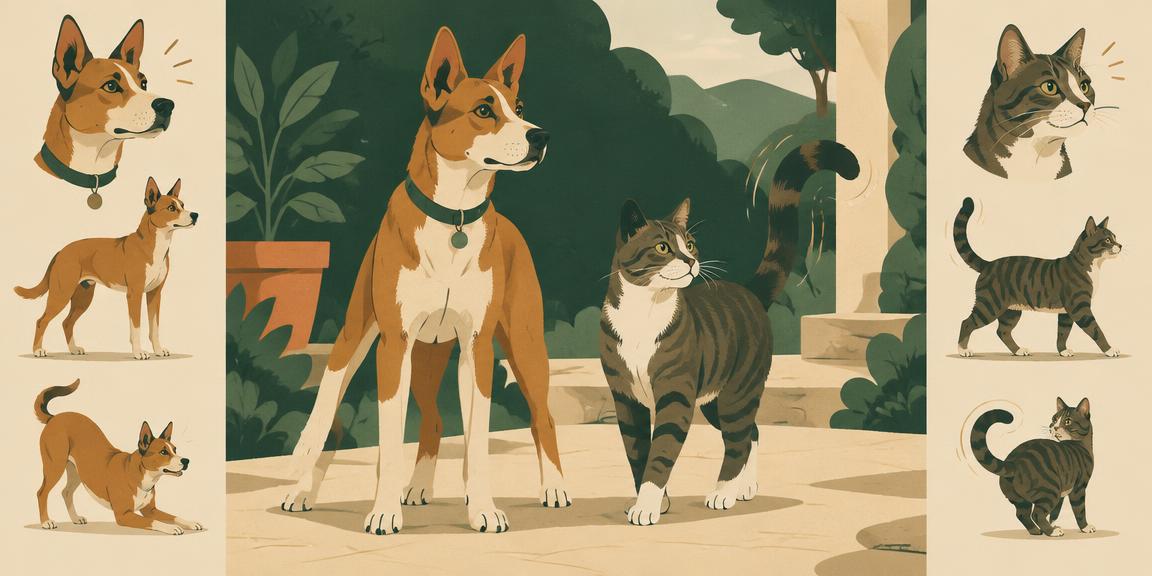
Supervise actively
Always have an adult watching dogs and young children together. If you can't watch, separate them with a gate or crate.
Teach children
- Leave dogs alone when eating, sleeping or chewing
- Stroke the side of the body, not the head
- No hugging or kissing dogs
- Stand still like a tree if a dog is worrying them
Know stress signals
Lip licking, yawning, turning away, showing the whites of the eyes and freezing come before growls and bites. Give the dog space when you see them.
Give the dog a retreat
A quiet space children aren't allowed in lets the dog take a break.
References
- Be Dog Smart — Dogs Trust
- Dog bite prevention — AVMA