
Travel
Travelling From the UK to the EU With a Pet: The Paperwork Explained
Since Brexit, taking a dog, cat or ferret from Great Britain to the EU requires an Animal Health Certificate every trip. Here is exactly what you need.
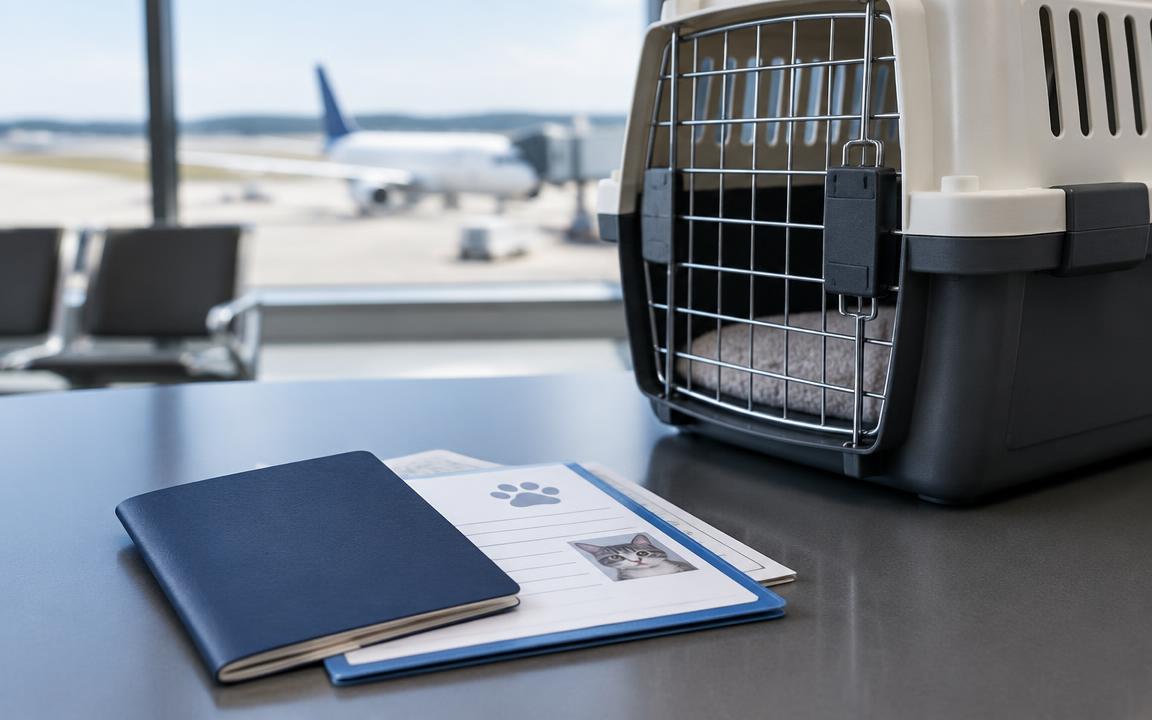
AI-generated editorial image; illustrative, not a clinical demonstration or documentary photograph.
Why the rules changed after Brexit
Before the UK left the EU, pets travelling under the EU Pet Travel Scheme used a pet passport that remained valid for the animal's life. Since the UK became a 'third country' for pet travel purposes, that passport system no longer applies to pets travelling from Great Britain, and an Animal Health Certificate (AHC) is now required for each individual trip to the EU or Northern Ireland, issued by an official vet within a defined window before travel.
This is a meaningful practical change for owners used to the old system: the certificate is not reusable, it must be obtained fresh before every trip, and it involves a specific appointment with a vet authorised to issue it, not just any routine visit.
What the Animal Health Certificate actually requires
To qualify for an AHC, a pet generally needs a working microchip implanted before or at the same time as its most recent rabies vaccination, a valid rabies vaccination given after the microchip (or on the same day), and a waiting period after a first rabies vaccination before travel is permitted. The certificate itself must be issued by an official veterinarian within a limited number of days before the travel date, which means timing the vet appointment precisely matters.
Owners travelling with dogs should also check requirements around tapeworm treatment before entering certain countries, such as Finland, Ireland, Norway and Malta, which require treatment to be given and recorded within a specific window before arrival.
Timing is the detail that catches people out
Because the AHC is valid for a limited period after issue and must be obtained within a narrow window before departure, last-minute travel planning does not generally work with this system. Booking the vet appointment well in advance of the trip, confirming the exact validity window with the vet, and double-checking entry requirements for the specific destination country (since some have additional rules beyond the baseline EU requirements) all reduce the risk of being turned away at the border.
It is worth confirming current requirements directly with an official government source close to the travel date, since the rules have been adjusted since they were first introduced and may continue to be refined.
Return travel to Great Britain has its own requirements
Bringing a pet back into Great Britain involves separate checks around microchipping, rabies vaccination and, for dogs, tapeworm treatment given within a specific window before arrival (with some exemptions depending on the route). Owners sometimes focus entirely on the outbound paperwork and are caught off guard by return requirements, particularly the tapeworm treatment timing, which needs to be arranged with a vet at the destination rather than assumed to be something that can be sorted on arrival home.
Checking which travel routes and carriers are approved for pet travel, since not all ferry, train or airline routes accept pets, is also worth doing early in the planning process rather than after other arrangements are already booked.
Practical preparation beyond the paperwork
Alongside the legal requirements, a pet that has never travelled before benefits from gradual preparation: short trial car journeys, time spent comfortably in a travel carrier at home, and a vet check to confirm the individual animal is fit to travel, particularly for older pets or those with health conditions that could be affected by long journeys or unfamiliar environments.
Carrying copies of all paperwork, keeping the original AHC accessible for border checks, and having the issuing vet's contact details on hand in case questions arise at the border are sensible practical steps that complement, rather than replace, following the official requirements closely.
Frequently asked questions
- Can I still use my pet's old EU pet passport?
- Pet passports issued in Great Britain are no longer valid for travel to the EU since Brexit. An Animal Health Certificate is required for each trip instead.
- How far in advance do I need to arrange the Animal Health Certificate?
- The certificate must be issued by an official vet within a limited window before travel, so the appointment needs to be booked well ahead, and the exact timing should be confirmed with the issuing vet.
- Does my dog need a tapeworm treatment to enter the EU?
- Some countries, including Finland, Ireland, Norway and Malta, require dogs to have tapeworm treatment recorded within a specific window before arrival; this is not universal across all EU countries.
- What do I need to bring my pet back into Great Britain?
- Return travel has its own requirements around microchipping, rabies vaccination and tapeworm treatment timing for dogs, which should be arranged with a vet at the destination before heading home.
References
- Taking your pet abroad — UK Government (GOV.UK)
- Pet travel advice — PDSA
- Pet owner resources — AVMA