
Independent guide · Updated 2026-09-21
Food and water bowls
Feeding vessels assessed for material hygiene, whisker comfort, stability and suitability for fast eaters.
DogsCatsRabbits
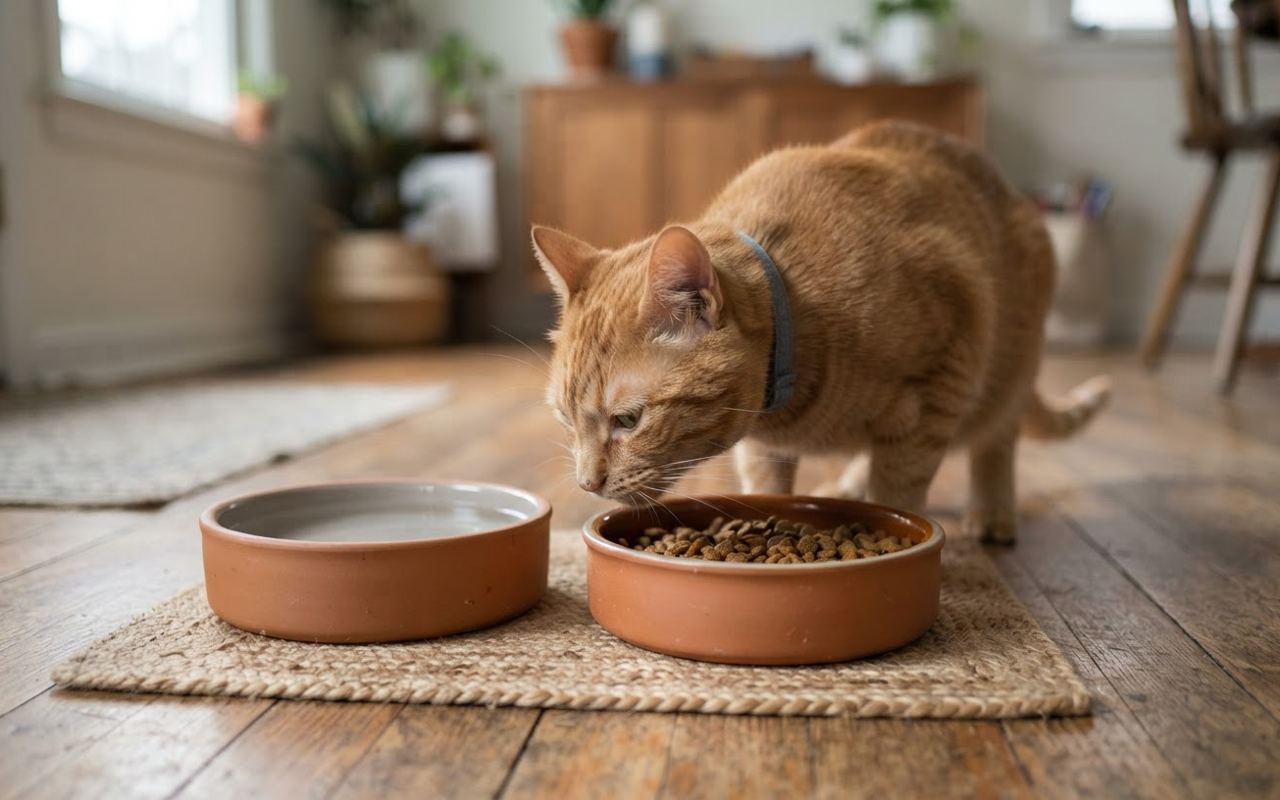
AI-generated editorial illustration of the subject; not a photograph of a specific animal, product or case.
What to look for
- Material
- Stainless steel and glazed ceramic clean more reliably than scratched plastic, which harbours bacteria.
- Shape
- Wide shallow bowls suit cats and flat-faced dogs; deep narrow bowls press on whiskers and faces.
- Stability
- A weighted base or a non-slip mat stops chasing the bowl across the floor.
Sizing and fit
A bowl should hold one meal comfortably without food heaping to the rim; water bowls should last a full day for the household.
Safety checks
- Check ceramic glaze for cracks and chips.
- Avoid slow-feeder mazes so intricate they cause frustration or injury.
- Discard damaged plastic rather than continuing to use it.
Cleaning and maintenance
Wash food bowls after each meal and water bowls daily; biofilm forms within a day even in clean-looking water.
Common questions
- How do I choose food and water bowls?
- Material: Stainless steel and glazed ceramic clean more reliably than scratched plastic, which harbours bacteria. Shape: Wide shallow bowls suit cats and flat-faced dogs; deep narrow bowls press on whiskers and faces. Stability: A weighted base or a non-slip mat stops chasing the bowl across the floor.
- What size of food and water bowls do I need?
- A bowl should hold one meal comfortably without food heaping to the rim; water bowls should last a full day for the household.
- What are the safety risks with food and water bowls?
- Check ceramic glaze for cracks and chips. Avoid slow-feeder mazes so intricate they cause frustration or injury. Discard damaged plastic rather than continuing to use it.
- How should food and water bowls be cleaned and maintained?
- Wash food bowls after each meal and water bowls daily; biofilm forms within a day even in clean-looking water.
- When are food and water bowls the wrong choice?
- Plastic is deeply scratched; The dog's face cannot reach the bottom comfortably; The bowl tips when pushed.
A practical purchase and first-use check
- Match food and water bowls to the listed species (Dogs, Cats, Rabbits), the individual animal and the actual task. A product's marketing claim is not proof it meets those needs.
- Before ordering, verify fit: A bowl should hold one meal comfortably without food heaping to the rim; water bowls should last a full day for the household. Check the return policy if safe fitting cannot be established from measurements.
- Introduce new equipment gradually and watch how your animal behaves around it. Check it cannot trap, burn, injure or be chewed into a hazard, and stop using it if it causes distress.
- Plan the ongoing upkeep: Wash food bowls after each meal and water bowls daily; biofilm forms within a day even in clean-looking water. Include replacement parts and safe disposal, not only the initial price.
Educational reference, not an individual diagnosis or a verified professional review. Read our editorial policy.
Guidance libraries and further reading
These organisations publish relevant guidance. Their links are further reading, not evidence that they have reviewed this page.
- PDSA — veterinary charity pet health advice
- RSPCA — animal care and welfare advice across species
- International Cat Care — cat health, behaviour and welfare advice