
Emergencies
Heatstroke in Dogs: Prevention and First Aid
How dogs overheat, which dogs are most at risk, the warning signs and what to do on the way to the vet.
Why dogs overheat quickly
Dogs cool mainly by panting, which works poorly in hot, humid air. Flat-faced breeds, overweight dogs, elderly dogs and dogs with heart or airway disease are at much higher risk.
Exercise is the commonest trigger, not only hot cars. Many cases happen on warm rather than extremely hot days.
Warning signs
- Heavy, noisy panting that does not settle with rest
- Bright red or dark gums and tongue
- Drooling, vomiting or diarrhoea
- Wobbliness, confusion or collapse
- Seizures
First aid on the way to the vet
Move the dog into shade or air conditioning. Pour cool (not ice-cold) water over the body and keep air moving with a fan or open car windows. Current veterinary advice is to cool the dog while arranging transport rather than delaying travel.
Heatstroke can damage organs even if the dog seems to recover, so a veterinary check is always needed.
Prevention
- Walk early in the morning or late evening in warm weather
- Never leave a dog in a parked car, even briefly
- Offer shade and water at all times
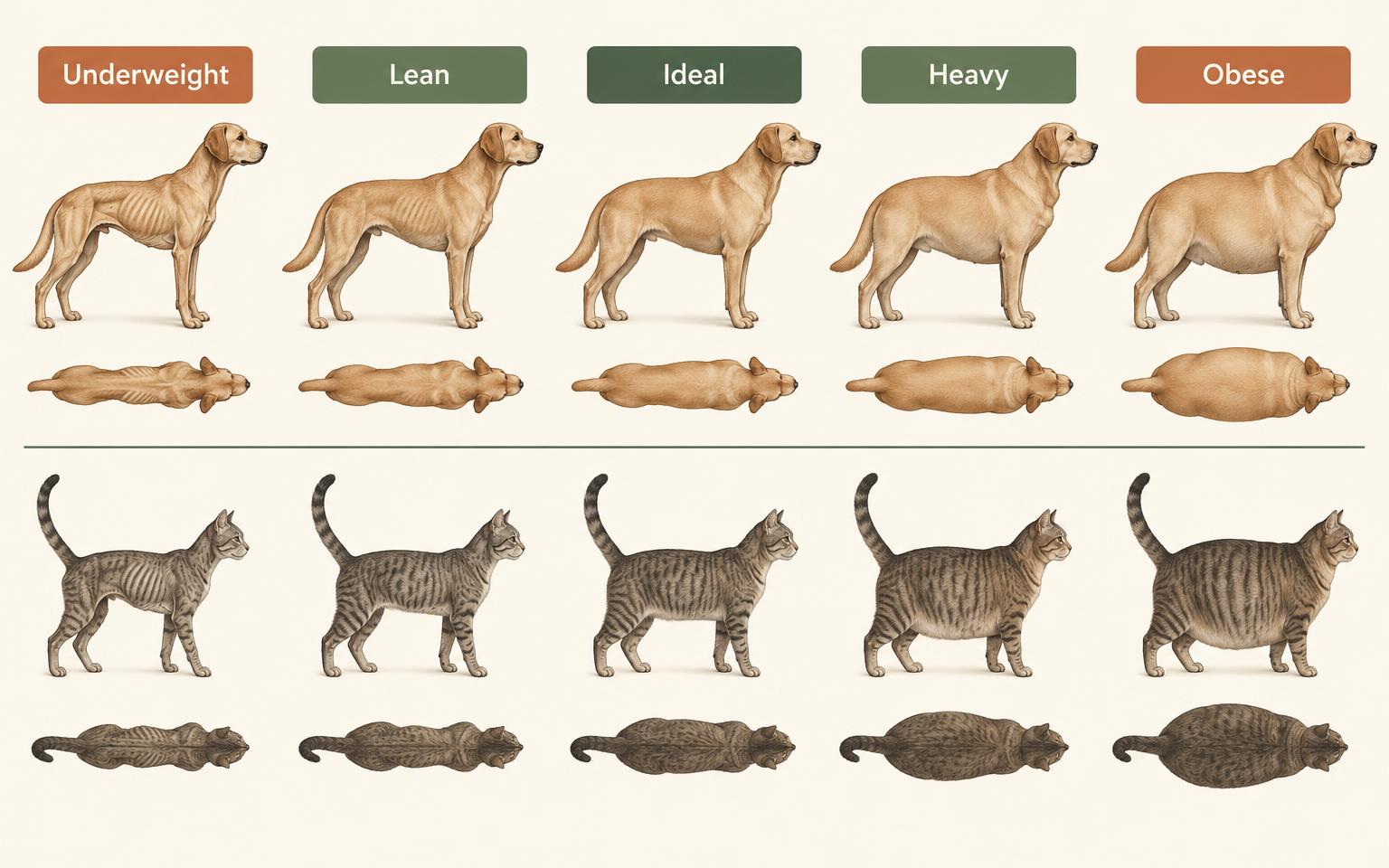
- Keep dogs lean
- Swap hard exercise for sniffing games on warm days
Frequently asked questions
- Should I use ice water?
- Use cool tap water rather than ice. The priority is to start cooling immediately and get to a vet.
- Can a dog get heatstroke in spring?
- Yes. Dogs not yet used to warmer weather can overheat during exercise at surprisingly moderate temperatures.
References
- Heat-related illness in dogs research — Royal Veterinary College VetCompass
- Dogs die in hot cars campaign — RSPCA