
Supplement
Cuttlebone
The internal shell of cuttlefish, providing calcium carbonate and trace minerals.
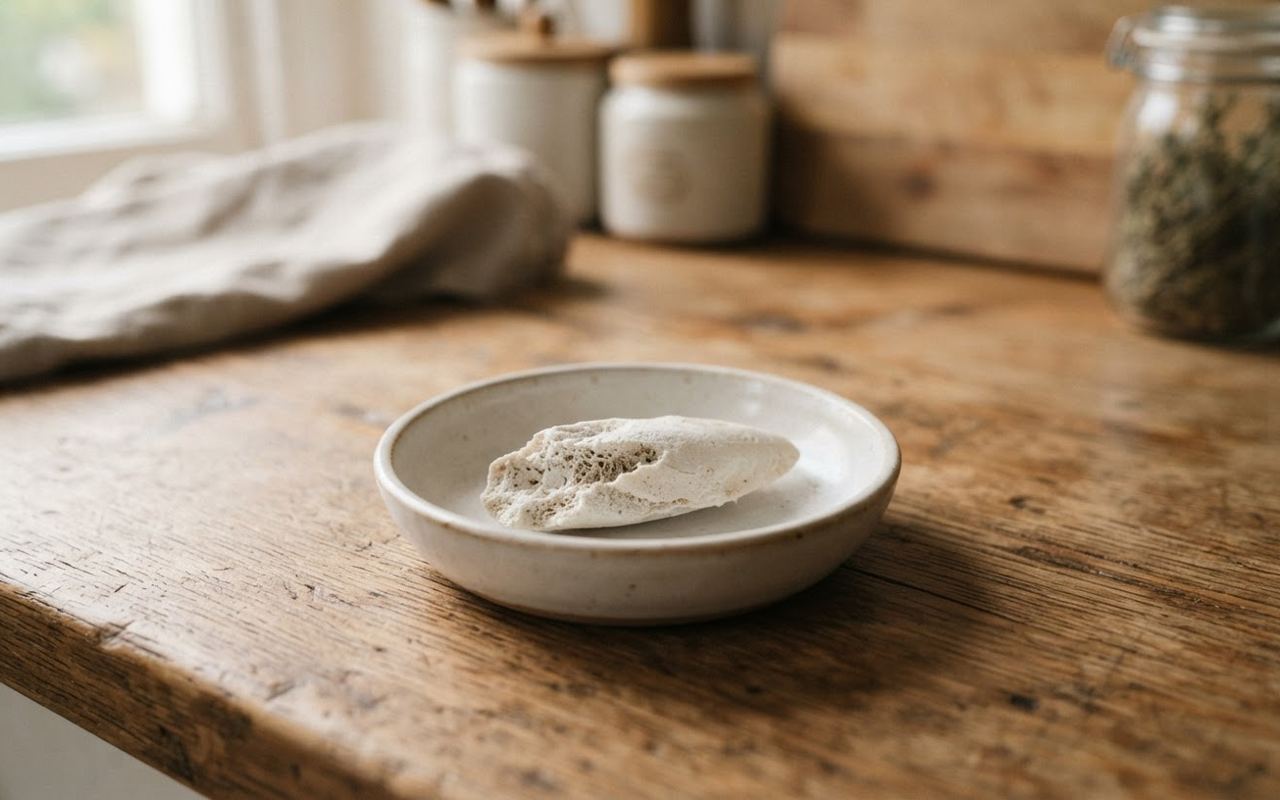
AI-generated editorial illustration of the subject; not a photograph of a specific animal, product or case.
Who can eat it
BudgerigarsCockatielsParrotsFinchesTortoisesSnails
Not suitable for
DogsCatsCarnivorous reptiles
Benefits
- Supports eggshell formation in laying hens
- Helps maintain beak condition
- Provides natural gnawing enrichment
Risks
- Not a substitute for a complete diet
- Some imported cuttlebone should be rinsed to remove excess salt
Preparation and serving
- Preparation
- Clip into the cage soft-side out and replace when worn or soiled.
- Serving guidance
- Available continuously.
Before offering cuttlebone
- Check the exact animal and preparation: the listed suitability is Budgerigars; Cockatiels; Parrots; Finches; Tortoises; Snails. A food being edible does not make it a complete diet.
- Follow the preparation advice: Clip into the cage soft-side out and replace when worn or soiled. Do not substitute a seasoned or processed version and assume the same safety.
- Portion guidance: Available continuously. For a pet on a prescribed diet, discuss extras with the vet first.
- If your pet develops vomiting, diarrhoea or discomfort, stop offering the extra and seek advice. Suspected poisoning or breathing difficulty needs immediate veterinary help.
Educational reference, not an individual diagnosis or a verified professional review. Read our editorial policy.
Guidance libraries and further reading
These organisations publish relevant guidance. Their links are further reading, not evidence that they have reviewed this page.