
Eclectus roratus
Eclectus Parrot
A rewarding companion for an owner who has researched its needs honestly. As with every animal on this site, this profile is a starting point: confirm details with a vet or specialist before bringing one home.
PsittaculidaeLifespan 30–40 years, sometimes longerCare complexity 4/5Not a beginner animal
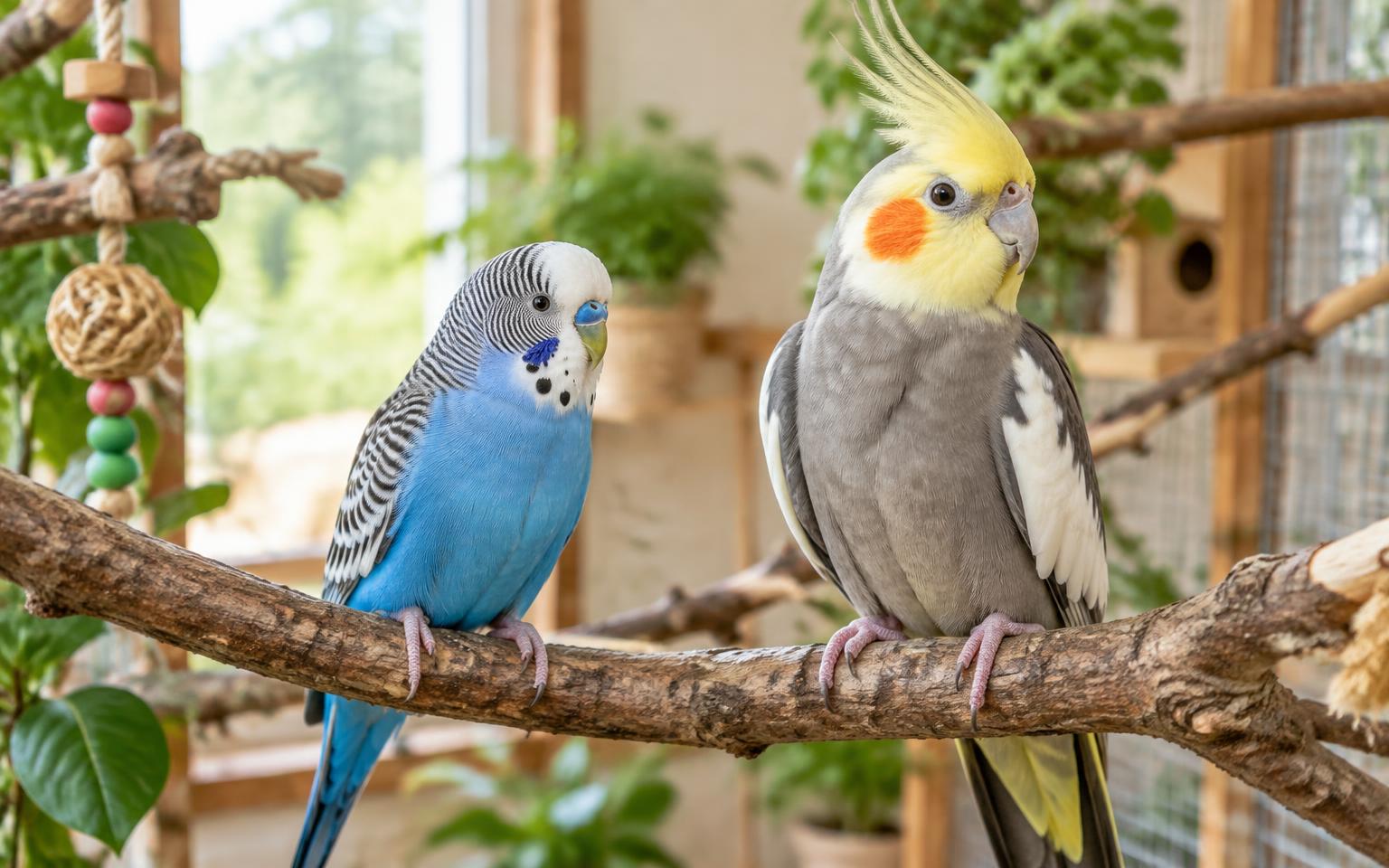
Representative birds photography; individual appearances vary.
At a glance
- Scientific name
- Eclectus roratus
- Family
- Psittaculidae
- Origin
- Solomon Islands, New Guinea, north-east Australia
- Lifespan
- 30–40 years, sometimes longer
- Adult size
- 35–42 cm
- Weight
- 350–450 g
- Temperament
- Generally calm and observant; males and females look dramatically different (green vs red and blue).
- Activity level
- Moderate; enjoys climbing and foraging more than constant flight.
- Social needs
- Needs daily interaction but is often more independent than cockatoos.
- Intelligence
- Very high; excellent talkers and problem-solvers.
- Noise
- Moderate to loud; capable of piercing calls, usually at predictable times.
Housing and environment
- Housing
- Large cage, minimum 90 × 60 × 90 cm.
- Space requirement
- A roomy, bird-proofed area for daily exercise.
- Temperature
- 18–28 °C.
- Humidity
- 50–70%; appreciates regular misting.
- Exercise
- Several hours out of the cage daily.
- Grooming
- Regular bathing; their feathers have a unique hair-like structure and need misting.
Diet and feeding
Unusually high need for fresh foods: mostly vegetables, fruit and sprouts, with limited pellets and very little seed. Prone to vitamin A problems on poor diets.
Behaviour and compatibility
Sensitive to household stress; thrives on routine. Hormonal females can become defensive of nest-like spaces.
- With children
- Best with calm, older children who respect boundaries.
- With other animals
- Usually tolerant of other birds but should be supervised; keep away from cats and dogs.
- Training difficulty
- Moderate; responds well to patient, reward-based training.
Health
- Vitamin A deficiency
- Feather destructive behaviour
- Toe-tapping and wing-flipping linked to diet
- Obesity
Diet-related problems are common; an avian vet should review the diet at least annually.
Special care requirements
See the housing, diet and health sections — this species has needs that are easy to underestimate.