
Ancistrus spp.
Bristlenose Pleco
A rewarding companion for an owner who has researched its needs honestly. As with every animal on this site, this profile is a starting point: confirm details with a vet or specialist before bringing one home.
LoricariidaeLifespan 5–10 yearsCare complexity 2/5Suitable for beginners
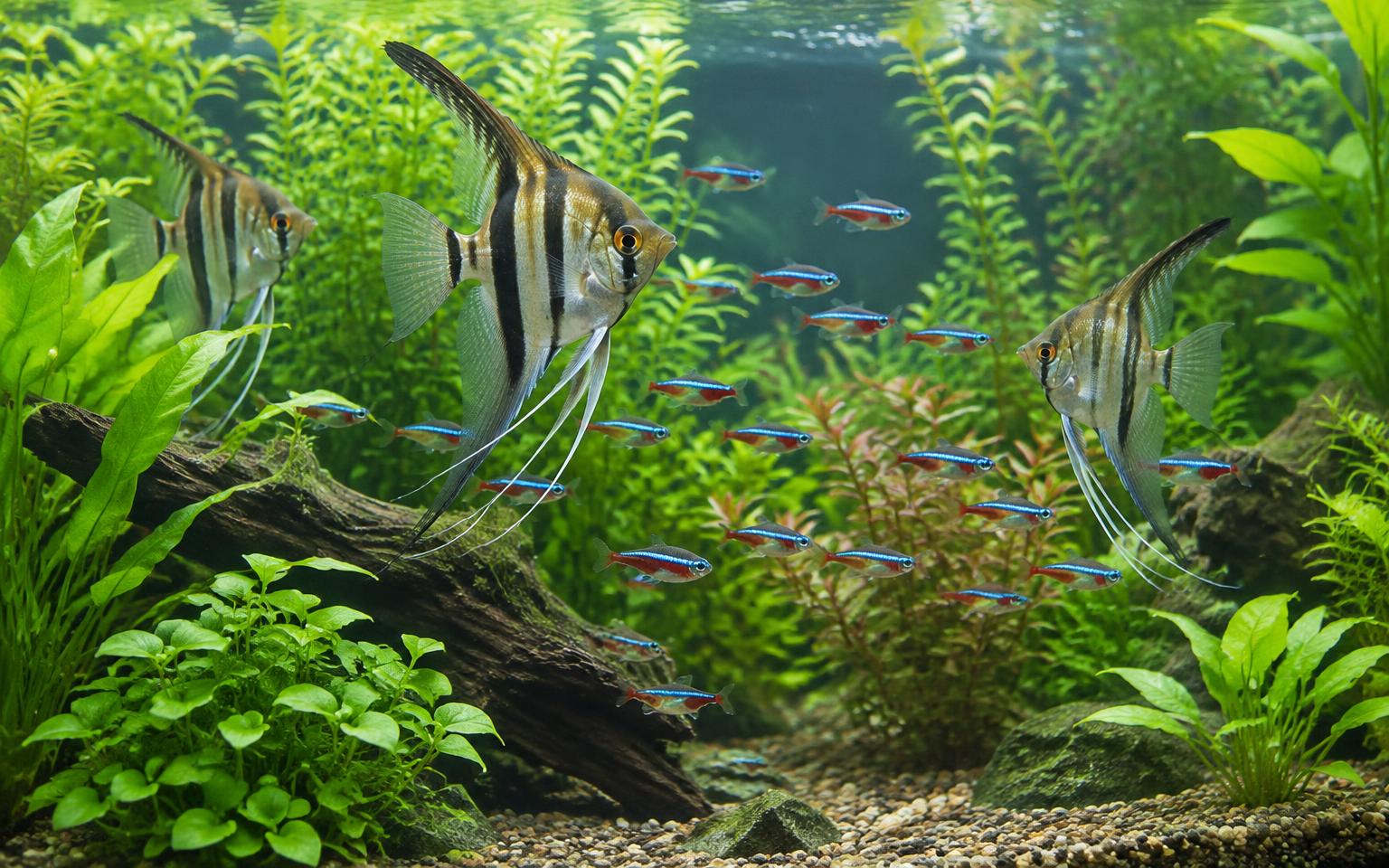
Representative fish photography; individual appearances vary.
At a glance
- Scientific name
- Ancistrus spp.
- Family
- Loricariidae
- Origin
- Amazon basin, South America
- Lifespan
- 5–10 years
- Adult size
- 10–15 cm
- Weight
- 50–100 g
- Temperament
- Peaceful, nocturnal algae-grazer; males grow distinctive facial bristles.
- Activity level
- Low to moderate; most active at night.
- Social needs
- Content alone; males can be territorial with other males.
- Intelligence
- Modest; learns feeding routines.
- Noise
- Silent.
Housing and environment
- Housing
- Minimum 80 litres with hiding caves and driftwood.
- Space requirement
- Bottom-dweller; floor space matters more than height.
- Temperature
- 23–27 °C.
- Humidity
- Not applicable.
- Exercise
- Grazes constantly; needs surfaces and driftwood to rasp.
- Grooming
- Not applicable.
Diet and feeding
Algae wafers, blanched vegetables (courgette, cucumber) and driftwood fibre; not a substitute for tank cleaning.
Behaviour and compatibility
Hardy and undemanding; one of the better 'algae eater' choices, though it still produces plenty of waste.
- With children
- Fine; a good family community-tank fish.
- With other animals
- Peaceful with almost all community fish.
- Training difficulty
- Not trainable in any meaningful sense.
Health
- Bloat from protein-heavy diets
- Ich
- Starvation in tanks with no algae or supplemental feeding
Do not rely on a pleco to 'clean' the tank; feed it deliberately and keep up water changes.
Special care requirements
See the housing, diet and health sections — this species has needs that are easy to underestimate.