
Anxiety
Separation Anxiety in Dogs: A Step-by-Step Plan
A gradual, reward-based plan for teaching a dog to feel safe alone, and when to involve a vet or behaviourist.
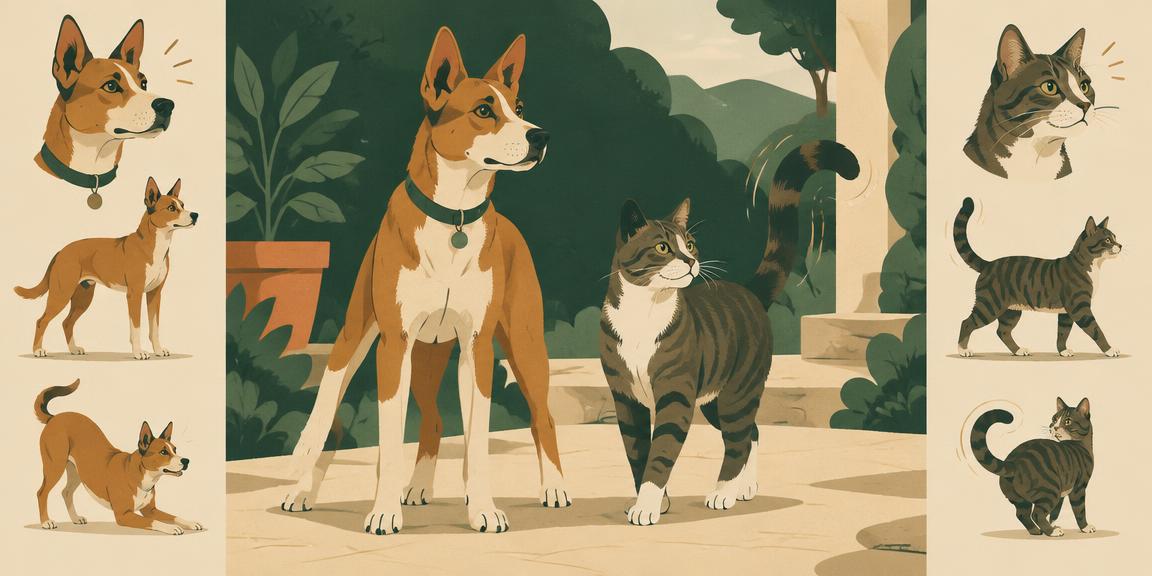
Recognising separation distress
Signs appear only when the dog is alone or separated from its person: howling, destruction near doors, toileting indoors, drooling or frantic pacing. A camera is the best way to see what really happens.
Don't leave the dog beyond its limit
Every panic episode reinforces the fear. While training, arrange a sitter, daycare, friend or take the dog with you so the dog is not left longer than it can cope with.
Graduated absences
- Find the time your dog stays relaxed (it may be seconds)
- Practise absences just below that time
- Increase slowly and vary durations
- Keep departures and returns calm and boring
- Stop and go back a step if you see stress
Get professional help
A vet should rule out pain or medical causes. Anti-anxiety medication prescribed by a vet can make training possible for many dogs. A qualified behaviourist can design a tailored plan.
What not to do
Do not punish: dogs do not destroy out of spite and punishment increases anxiety. Getting a second dog rarely fixes the problem.
Frequently asked questions
- How long does it take?
- Often weeks to months. Progress is rarely linear, so keep notes and celebrate small gains.
References
- Separation-related behaviour — Dogs Trust